
Wildlife Protection
The Himalayan range is home to a remarkable variety of wildlife uniquely adapted to its harsh climate and diverse landscapes, ranging from alpine meadows to dense forests. Protecting these species is essential for preserving biodiversity, sustaining vital ecosystem services, and safeguarding the cultural heritage of the region for future generations.
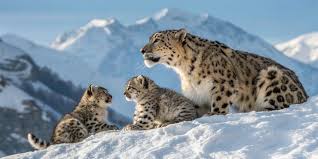
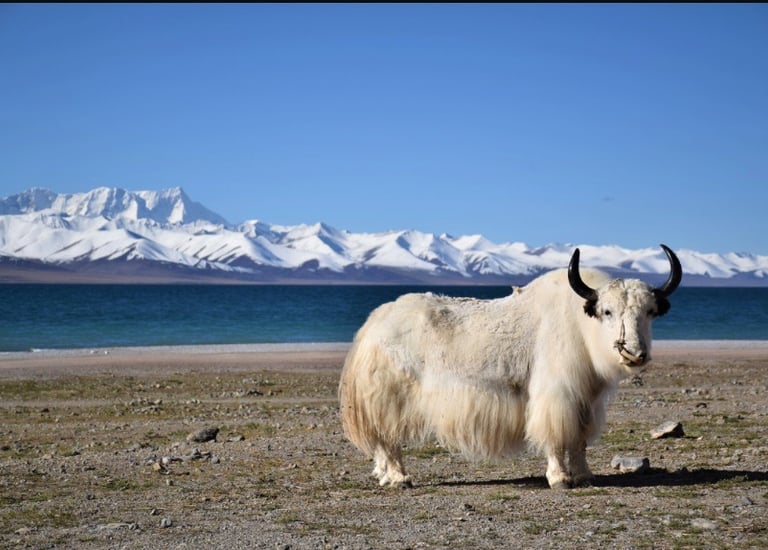
Mammals: Several iconic mammals inhabit the Himalayas. Among them is the elusive snow leopard, a powerful predator that hunts blue sheep (bharal) and Himalayan tahr in areas above the treeline. The endangered musk deer is also found here and has historically been valued for its use in traditional medicine. Forested areas provide habitat for Himalayan black bears and brown bears, which often forage and scavenge in these environments. Large herbivores such as the wild yak and goral graze in high-altitude meadows, while the red panda lives in the temperate forests of the region.
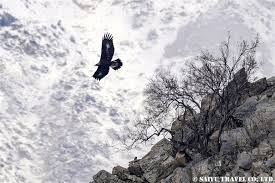
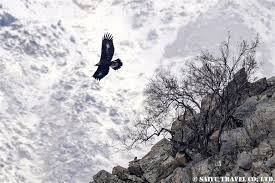
Birds: The Himalayas support more than 200 bird species. Notable examples include the vibrant Himalayan monal, which is Nepal’s national bird, and the rare western tragopan pheasant. Birds of prey such as the lammergeier vulture and golden eagle soar at remarkable elevations of up to 5,700 meters. Along fast-flowing mountain streams, riverine birds like the white-capped redstart are commonly seen.
Reptiles and Amphibians: Despite the cold climate, several resilient reptiles and amphibians survive in the region. Species such as the Himalayan pit viper, the Karakoram bent-toed gecko, and specialized stream frogs with suction-like pads that help them cling to rocks have adapted to the cold and damp Himalayan environment.
→
Importance of Wildlife Protection: Himalayan wildlife plays a crucial role in maintaining ecological balance. Predators help regulate prey populations, while many species contribute to seed dispersal. These ecological processes prevent overgrazing and support vegetation growth, which in turn stabilizes mountain slopes and reduces the risk of landslides. However, several species, including the snow leopard, are threatened by poaching, habitat loss caused by climate change, and conflicts with humans. Protected areas such as the Great Himalayan National Park help conserve these species, protect genetic diversity, and support ecotourism that benefits local communities.
Wider Environmental and Social Benefits: Wildlife corridors across the Himalayas are vital for maintaining ecological connectivity as glaciers retreat and landscapes change. These corridors also strengthen resilience against natural hazards such as glacial lake outburst floods (GLOFs). Healthy Himalayan ecosystems support the livelihoods of nearly 1.6 billion people downstream by sustaining river systems and preserving cultural traditions connected to wildlife. Conservation efforts under India’s Wildlife Protection Act help ensure that this unique natural heritage is preserved for generations to come.
Third Pole Initiative
TDL Main Road, Bylakuppe - 571104, Mysore, INDIA
Email: thirdpole1959@gmail.com
Phone: +91-8880720888
© 2024. All rights reserved.