
Community engagement
Community engagement is essential for effective environmental protection because it leverages local knowledge, fosters ownership, and ensures sustainable outcomes. Without it, top-down efforts often fail due to lack of trust and relevance to on-the-ground realities.
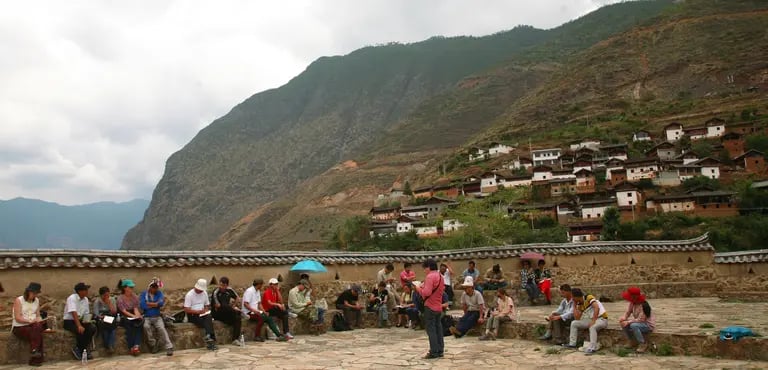
Local Insights: Communities provide invaluable indigenous knowledge of ecosystems, identifying issues like pollution hotspots or biodiversity threats that outsiders miss. This input makes interventions precise and culturally appropriate, boosting success rates.
Ownership and Action: Involved residents develop a sense of stewardship, leading to voluntary monitoring, cleanups, and advocacy that outlast projects. Collective efforts amplify impact, such as in reforestation where locals nurture trees long-term.
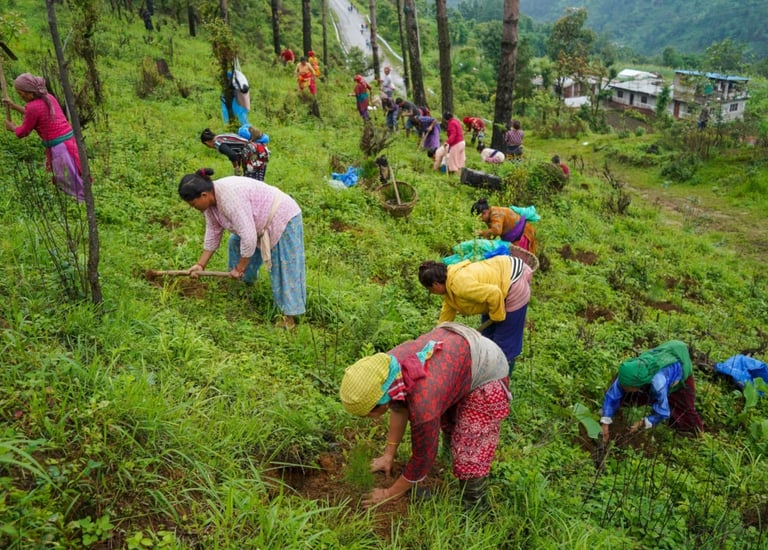
Trust and Equity: Engagement builds trust in authorities, addressing disparities where marginalized groups suffer most from degradation. It ensures equitable benefits, like cleaner water for vulnerable areas, promoting environmental justice.
Long-term Sustainability: Participatory governance creates accountability, with communities holding polluters responsible and adapting to changes like climate impacts. This resilience sustains protections across generations.
Economic Gains: Programs generate green jobs in ecotourism and conservation, improving livelihoods while protecting resources. In protected areas, it balances ecology with community needs.
Third Pole Initiative
TDL Main Road, Bylakuppe - 571104, Mysore, INDIA
Email: thirdpole1959@gmail.com
Phone: +91-8880720888
© 2024. All rights reserved.